Herbal Medicine in Traditional Chinese Medicine (TCM):
What It Is and How It Works
Traditional Chinese Medicine (TCM) has been practiced for thousands of years, and herbal medicine is one of its core tools for restoring balance and supporting long-term health. While herbs can sometimes feel mysterious or unfamiliar, the philosophy behind them is practical, thoughtful, and deeply rooted in how the body functions.
At its foundation, TCM herbal medicine is about helping the body regulate itself—not forcing change, suppressing symptoms, or overriding natural processes.
What Are Chinese Herbs, Really?
TCM originated in a region of China known for its lush landscapes, rich soil, and incredible biodiversity. Early practitioners observed how plants affected digestion, energy, immunity, pain, and recovery—and recorded these effects carefully over generations.
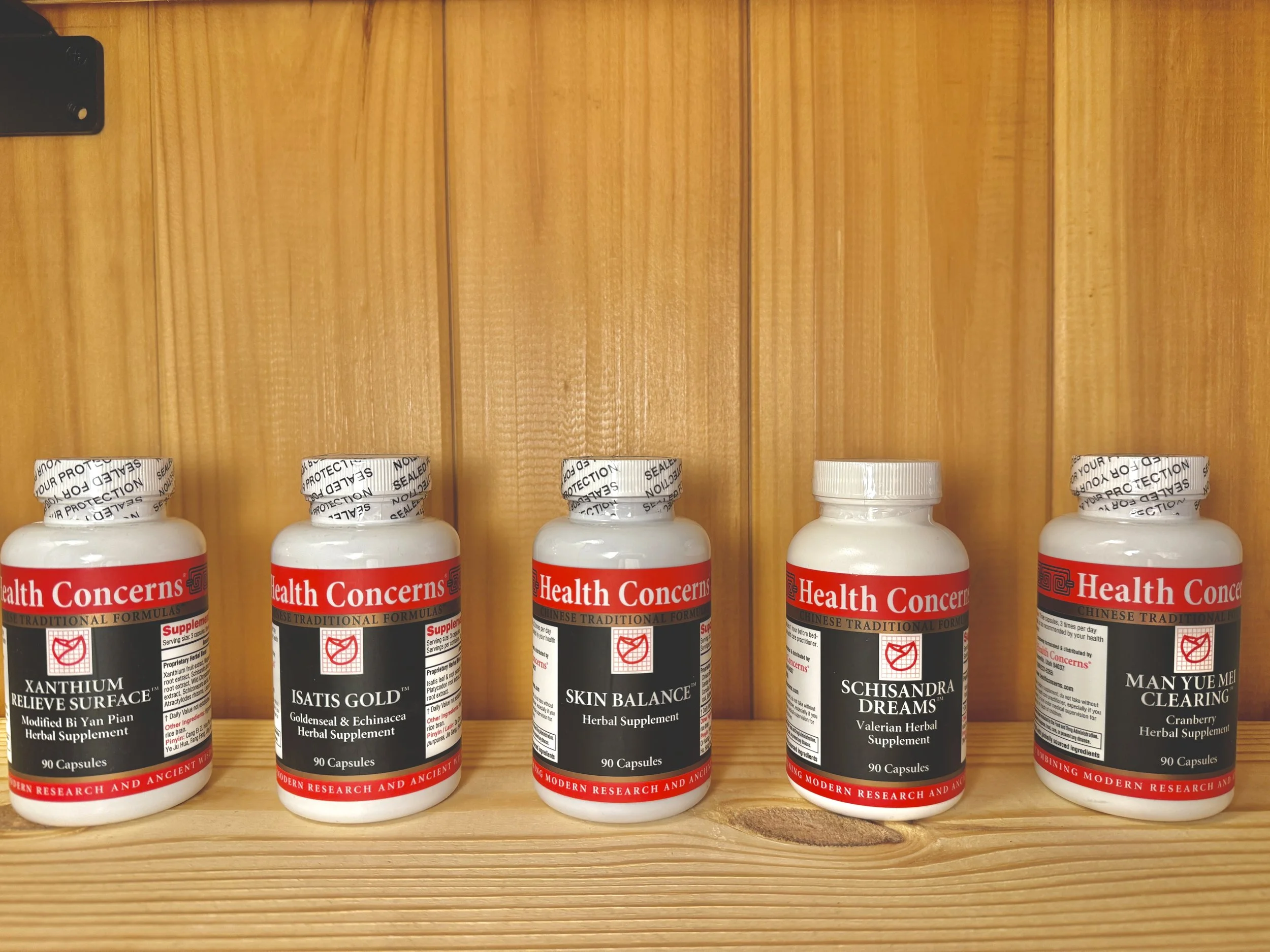
Today, Chinese herbs are grown all over the world, including the United States, under strict quality and safety standards. Many herbs used in TCM are also well-known in Western herbalism. Examples include:
Ginger – for digestion, circulation, and inflammation
Licorice root – for adrenal support, digestion, and harmonizing formulas
Ginseng – for energy, resilience, and recovery
Astragalus – for immune and respiratory support
TCM simply uses these herbs within a pattern-based system, combining them strategically rather than using single herbs in isolation.
How Herbal Medicine Works in TCM
In TCM, symptoms are seen as signs of imbalance rather than isolated problems. Herbal formulas are designed to correct the underlying pattern causing those symptoms.
Herbs work by:
Supporting healthy circulation of Qi (vital energy) and blood
Nourishing areas of weakness or depletion
Clearing excess heat, inflammation, or stagnation
Supporting digestion, sleep, hormones, and immunity
Rather than targeting one symptom, formulas are designed to improve how systems communicate and function together.
Is Herbal Medicine Safe?
Yes—when prescribed correctly.
TCM herbs are safe when:
Chosen based on an accurate diagnosis
Properly dosed
Sourced from reputable suppliers
Monitored by a trained practitioner
Unlike many pharmaceuticals, herbal formulas are built to reduce side effects, not create them. Herbs are combined in ways that balance and buffer one another, making them gentle yet effective.
This is why working with a qualified provider is essential—herbs are personalized, not generic.
How Long Do Herbs Take to Work?
This depends on the condition being treated.
Acute issues (such as digestive upset, stress flare-ups, or sleep disruption) may respond within days to a couple of weeks.
Chronic conditions (hormonal imbalance, fatigue, inflammation, long-standing pain) often improve gradually over several weeks to months as the body rebalances.
Herbs are not meant to be quick fixes—they are tools for sustainable change.
Why TCM Uses Herbal Formulas (Not Single Herbs)
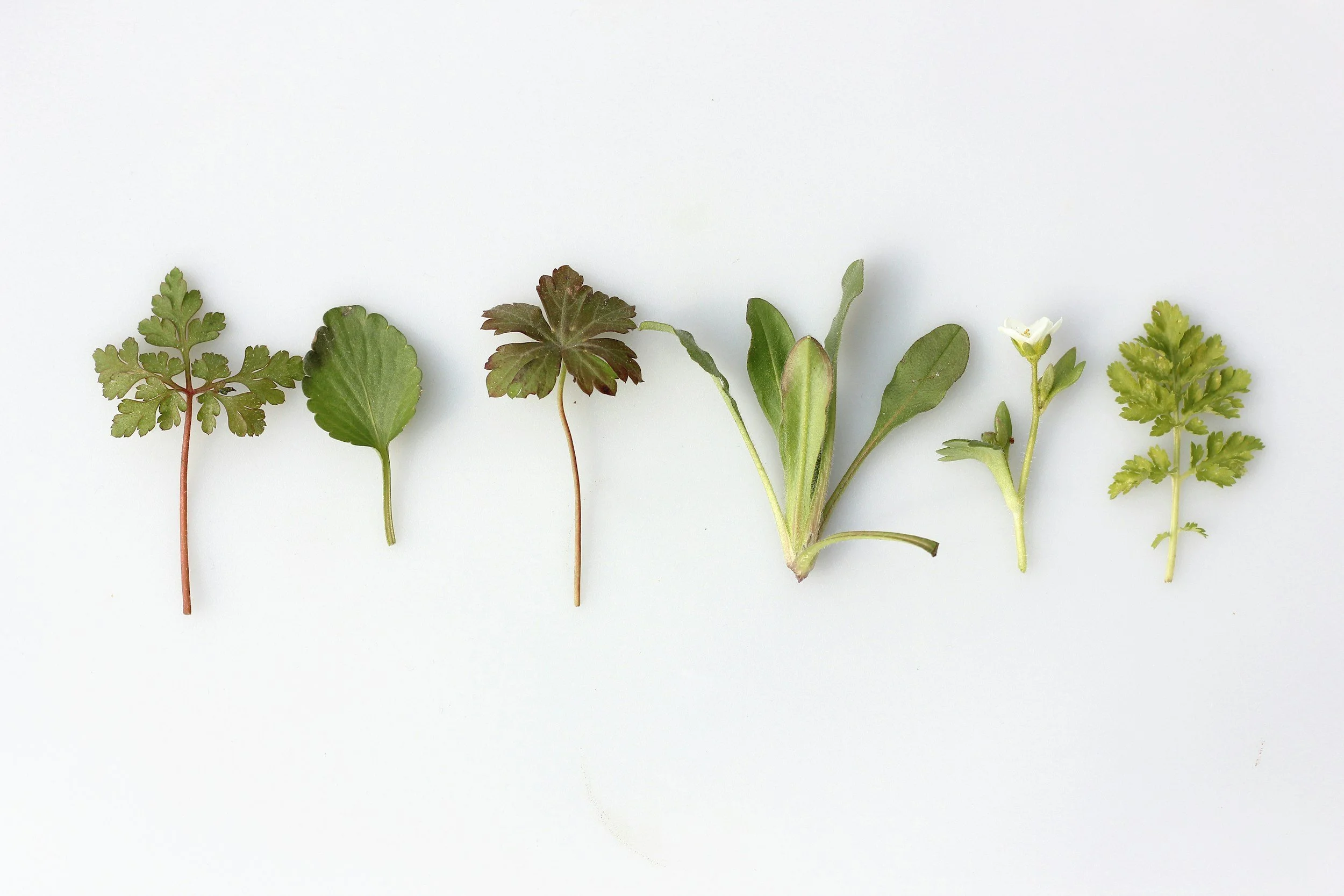
TCM rarely relies on one herb alone. Instead, formulas combine multiple herbs that:
Address the root imbalance
Relieve symptoms
Support digestion and absorption
Protect the body from unwanted effects
This is similar to how a well-designed meal works better than a single ingredient. The formula is greater than the sum of its parts.
A Personalized, Whole-Body Approach
One of the greatest strengths of TCM herbal medicine is individualization. Two people with the same diagnosis may receive completely different formulas based on their constitution, stress levels, digestion, sleep, and overall health picture.
Herbs can be used both to resolve symptoms and to prevent future imbalance, helping the body stay resilient over time.
Exploring Herbal Medicine from Home
For those who can’t make it into the office, online herbal consultations are available. These sessions allow us to review your health history, symptoms, and lifestyle in depth and determine whether herbal medicine is appropriate for you.
Herbal medicine doesn’t need to feel mysterious or intimidating. When used thoughtfully, it becomes a grounded, practical way to support healing—working with your body, not against it.
If you’re curious about how herbs might support your health, scheduling a consultation is a simple place to begin.